Why Preventive Vehicle Maintenance Is Essential for PACE Transportation
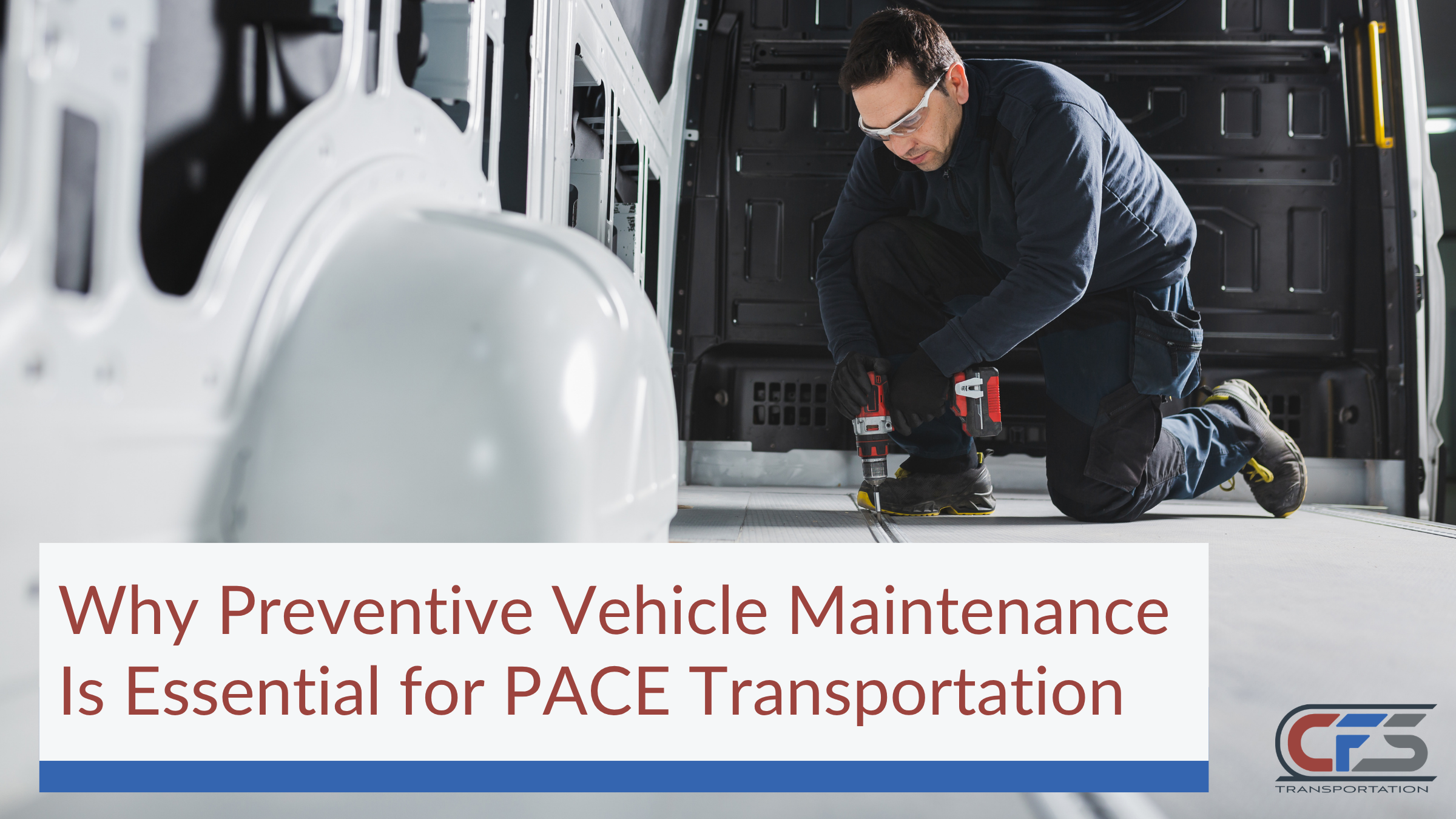
For PACE programs, reliable transportation depends on more than having vehicles and drivers available. It also depends on ensuring those vehicles are safe, properly maintained, and ready to serve participants every day.
That commitment to safety recently earned CFS Transportation recognition with the Whip Around Safety Excellence Award—an achievement that highlights an important part of PACE transportation that often happens behind the scenes: vehicle inspections and preventive maintenance.
Participants in the Program of All-Inclusive Care for the Elderly (PACE) rely on transportation to access day health centers, medical appointments, specialists, therapy, and other essential healthcare services. When a vehicle unexpectedly becomes unavailable, the impact can extend beyond transportation and affect schedules, care coordination, staff, and the overall participant experience.
For transportation providers serving PACE programs, preventive vehicle maintenance is not simply a fleet management responsibility. It is an important part of providing safe, reliable access to care.
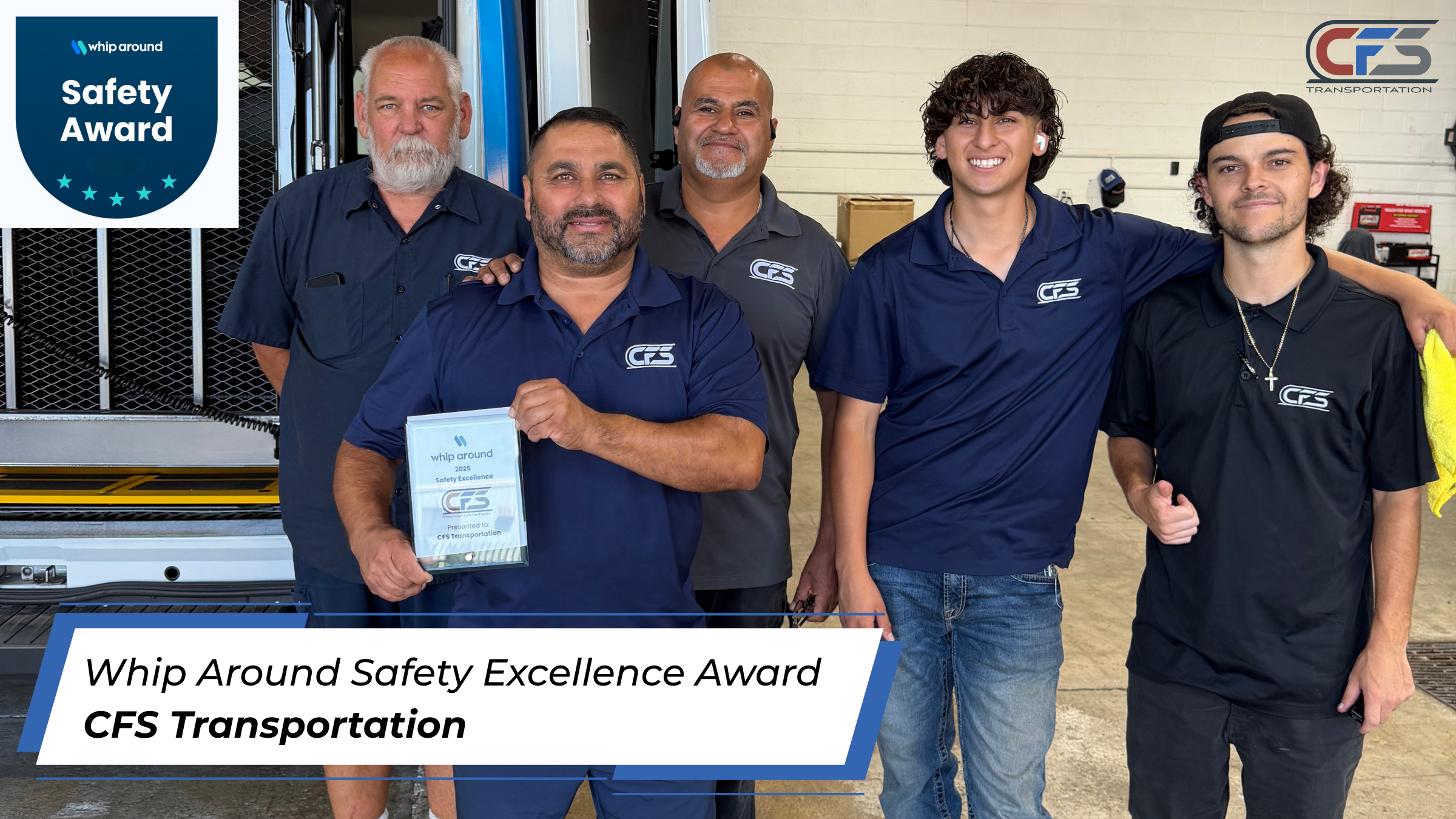
The CFS Transportation team proudly accepts the Whip Around Safety Excellence Award, recognizing our commitment to safety and operational excellence.
What Is a Driver Vehicle Inspection Report (DVIR)?
DVIR stands for Driver Vehicle Inspection Report. It is a record used to document the condition of a commercial vehicle and identify defects or deficiencies found during an inspection.
At CFS Transportation, completing DVIRs is a required part of Department of Transportation compliance. Every vehicle is inspected daily before beginning service, giving drivers an opportunity to identify potential safety or maintenance concerns before the first participant pickup.
When an issue is identified during an inspection, it is marked as a defect and enters CFS Transportation’s maintenance process.
This creates an important connection between what drivers observe in the field and the maintenance processes responsible for keeping vehicles safe and ready for service.
Why DVIRs and DOT Compliance Matter
Vehicle inspections are an important component of commercial transportation safety and regulatory compliance.
But for a transportation provider serving older adults and individuals with mobility or healthcare needs, the value of a DVIR goes beyond completing a compliance requirement.
A consistent inspection process can help identify vehicle concerns before participants are transported. Once a defect is documented, the appropriate teams can evaluate its severity, prioritize the response, and determine whether maintenance is needed before the vehicle returns to service.
At CFS Transportation, technicians review reported defects through Whip Around at the beginning of their shifts and prioritize them based on whether they involve a safety-related component, such as climate control, brakes, lights, or seatbelts.
When a safety-related defect is identified, maintenance immediately communicates the issue to dispatch. The vehicle is then scheduled to be seen by maintenance before it is used for the day.
This creates a clear process:
Inspect → Identify → Prioritize → Communicate → Repair → Return to Service
For PACE transportation, that process helps support both safety and reliability.

How Preventive Maintenance Helps Reduce Service Interruptions
When vehicle maintenance is primarily reactive, a vehicle problem can quickly become a transportation problem.
An unexpected vehicle issue may affect scheduled routes, require dispatch adjustments, create delays, and place additional pressure on transportation operations.
For PACE programs, those disruptions can have consequences beyond the ride itself.
Participants may be traveling to a medical appointment, therapy session, specialist visit, or PACE center. Transportation interruptions can therefore affect schedules and require additional coordination across the organization.
Preventive maintenance helps transportation providers address vehicle needs before they become unexpected service interruptions.
At CFS Transportation, preventive maintenance is scheduled proactively in coordination with dispatch. Maintenance needs are reviewed regularly, and dispatch receives a weekly list of vehicles requiring scheduled preventive maintenance.
There is another benefit to this process: when a vehicle is already in the shop for scheduled preventive maintenance, technicians can address outstanding defects at the same time.
This allows routine maintenance to become an opportunity to resolve additional vehicle needs before they develop into larger problems.
Why Preventive Maintenance Protects PACE Programs
Transportation is closely connected to the larger PACE care model.
A delayed or unavailable vehicle doesn’t only affect transportation operations. It can affect participants, dispatch teams, PACE staff, appointments, and care coordination.
That is why PACE organizations should consider vehicle maintenance and safety when evaluating a transportation partner.
A strong preventive maintenance program can help support:
Safe transportation for participants and drivers
Reliable vehicle availability
Fewer preventable service disruptions
Better coordination across transportation operations
Greater consistency for PACE programs
A more reliable participant experience
The goal is not simply to respond quickly when something goes wrong.
It is to build systems that help identify potential problems before they interfere with service.
How Transportation Providers Should Manage Vehicle Maintenance
Effective vehicle maintenance requires more than completing inspections. It requires a process for turning inspection findings into action.
Drivers are often the first people in a position to identify potential concerns because they interact with their vehicles every day. Maintenance teams need visibility into those findings so defects can be reviewed and prioritized. Dispatch needs to know when a vehicle requires maintenance so vehicle availability can be coordinated with transportation schedules.
These functions should work together.
CFS Transportation’s process connects daily inspections with technicians, maintenance scheduling, and dispatch coordination. Safety-related defects receive immediate attention, while regular preventive maintenance creates additional opportunities to resolve outstanding vehicle needs.
For PACE programs evaluating a transportation provider, important questions to consider include:
Are vehicles inspected consistently?
How are vehicle concerns documented and communicated?
What happens when an inspection identifies a safety-related defect?
How do maintenance and dispatch coordinate around vehicle availability?
How is preventive maintenance scheduled?
What processes are in place to reduce preventable service interruptions?
The answers can reveal a great deal about how seriously a transportation provider approaches safety, reliability, and accountability.
Building a Culture of Safety
Technology can help organize inspections and maintenance, but technology alone does not create a safe transportation operation.
People do.
Drivers need to take vehicle inspections seriously. Maintenance teams need accurate and timely information about vehicle conditions. Dispatch needs visibility into vehicle availability. Leadership needs to establish expectations that make safety part of everyday operations.
When those responsibilities work together, safety becomes more than a compliance requirement.
It becomes part of the organization’s culture.
For PACE transportation providers, that distinction matters. The people being transported may be older adults or individuals with mobility and healthcare needs who depend on their transportation provider to get them safely and reliably to essential services.
Every inspection completed and every maintenance concern addressed contributes to that responsibility.
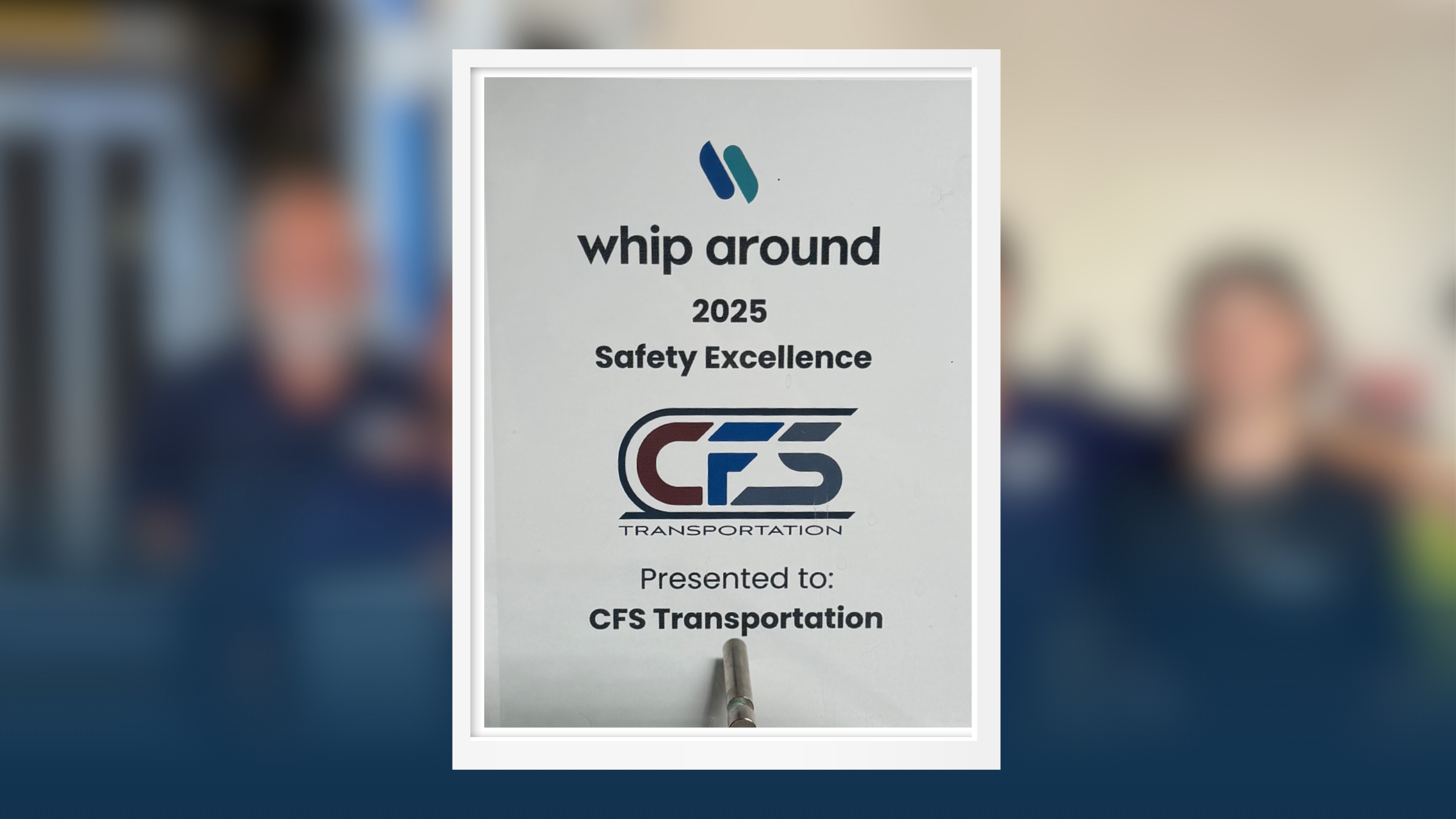
CFS Transportation Recognized With the Whip Around Safety Excellence Award
CFS Transportation is proud to be recognized with the Whip Around Safety Excellence Award, reflecting the progress and processes behind the company’s approach to vehicle safety and preventive maintenance.
One of the most significant improvements has been the time required to address and close out work orders.
According to Whip Around’s review of CFS Transportation’s performance, the average repair time for work orders has decreased from 20 days in 2023 to an average of 6 days since the beginning of calendar year 2026.
That represents a 70% reduction in average repair time.
Whip Around also recognized the role consistent preventive maintenance has played in addressing vehicle defects. When vehicles come into the shop for scheduled preventive maintenance, CFS technicians use that opportunity to address outstanding defects whenever possible.
The result is a more proactive maintenance process—one designed not only to respond to vehicle issues, but to identify, prioritize, and resolve them efficiently.
While receiving recognition for safety is an honor, the processes and people behind that recognition are what matter most.
For the PACE programs and healthcare organizations that depend on transportation every day, those processes help support the ultimate goal: providing safe, reliable access to care for participants.
Preventive Maintenance Is Part of Reliable PACE Transportation
Preventive vehicle maintenance may happen behind the scenes, but its impact can be felt throughout a PACE organization.
Daily vehicle inspections, proactive maintenance, clear communication, and coordination across transportation teams can help reduce avoidable disruptions while supporting safe and dependable service.
For PACE programs evaluating transportation partners, vehicle maintenance should therefore be considered part of the overall transportation strategy—not simply a fleet management responsibility.
Because safe, reliable PACE transportation begins long before a participant gets into the vehicle.
It begins with making sure that vehicle is ready for the trip.
Looking for a transportation partner that understands the operational needs of PACE programs? Learn more about CFS Transportation and our approach to safe, reliable transportation for healthcare organizations throughout California.
Related Resources
Continue learning about PACE transportation: