
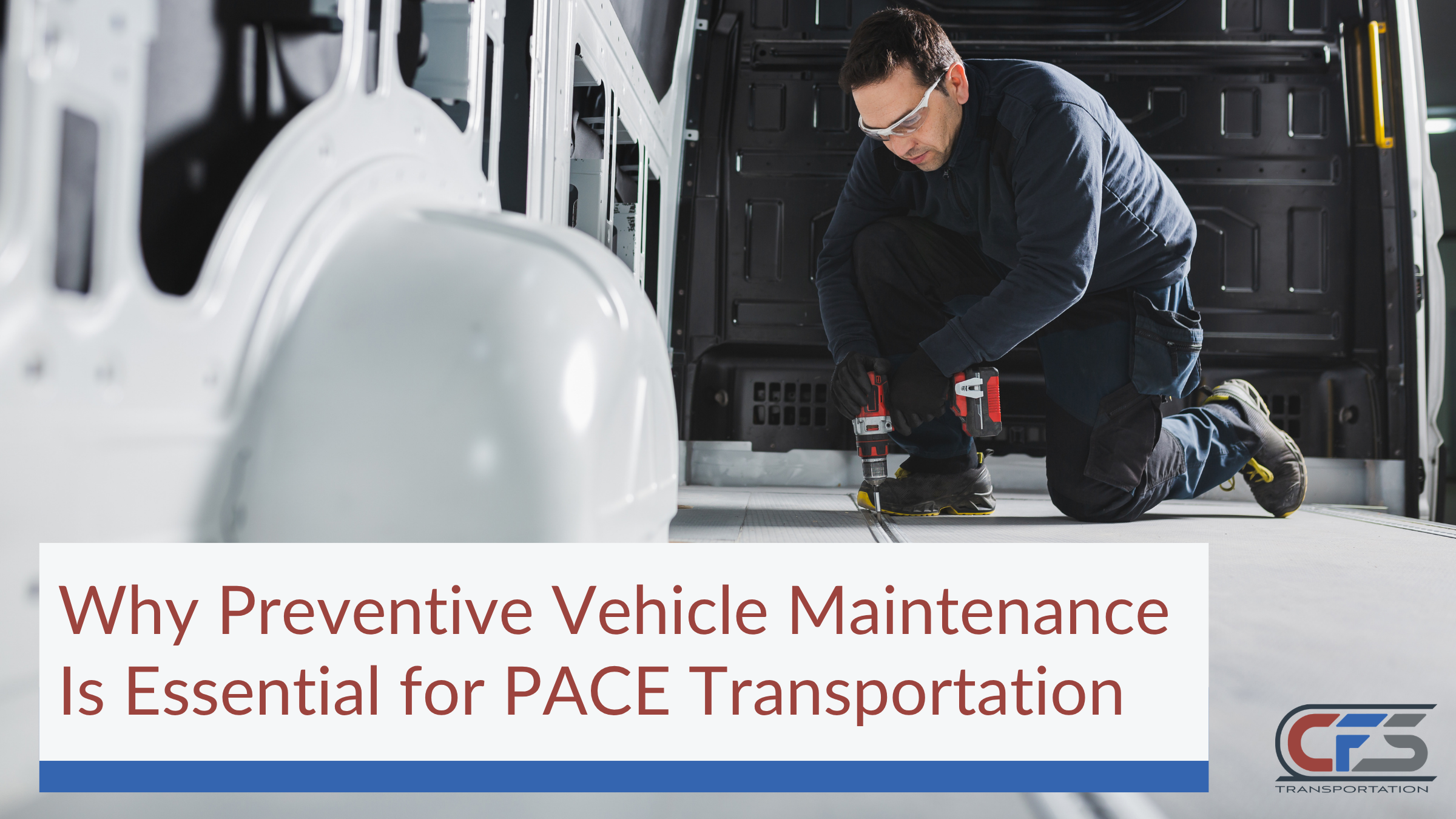
Why Preventive Vehicle Maintenance Is Essential for PACE Transportation
Learn why preventive vehicle maintenance, daily DVIRs, and proactive safety processes are essential for reliable PACE transportation.
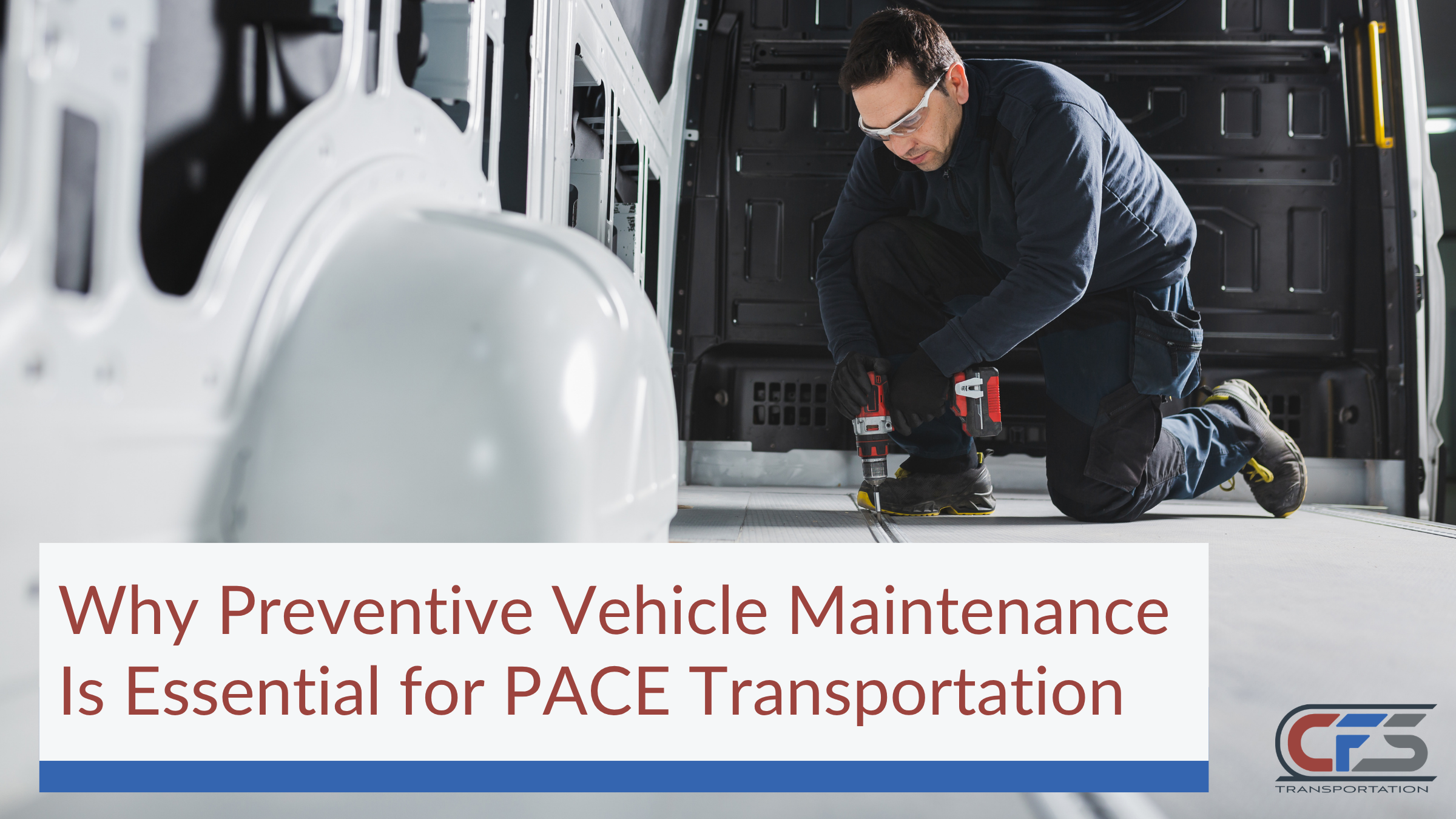
For PACE programs, reliable transportation depends on more than having vehicles and drivers available. It also depends on ensuring those vehicles are safe, properly maintained, and ready to serve participants every day.
That commitment to safety recently earned CFS Transportation recognition with the Whip Around Safety Excellence Award—an achievement that highlights an important part of PACE transportation that often happens behind the scenes: vehicle inspections and preventive maintenance.
Participants in the Program of All-Inclusive Care for the Elderly (PACE) rely on transportation to access day health centers, medical appointments, specialists, therapy, and other essential healthcare services. When a vehicle unexpectedly becomes unavailable, the impact can extend beyond transportation and affect schedules, care coordination, staff, and the overall participant experience.
For transportation providers serving PACE programs, preventive vehicle maintenance is not simply a fleet management responsibility. It is an important part of providing safe, reliable access to care.
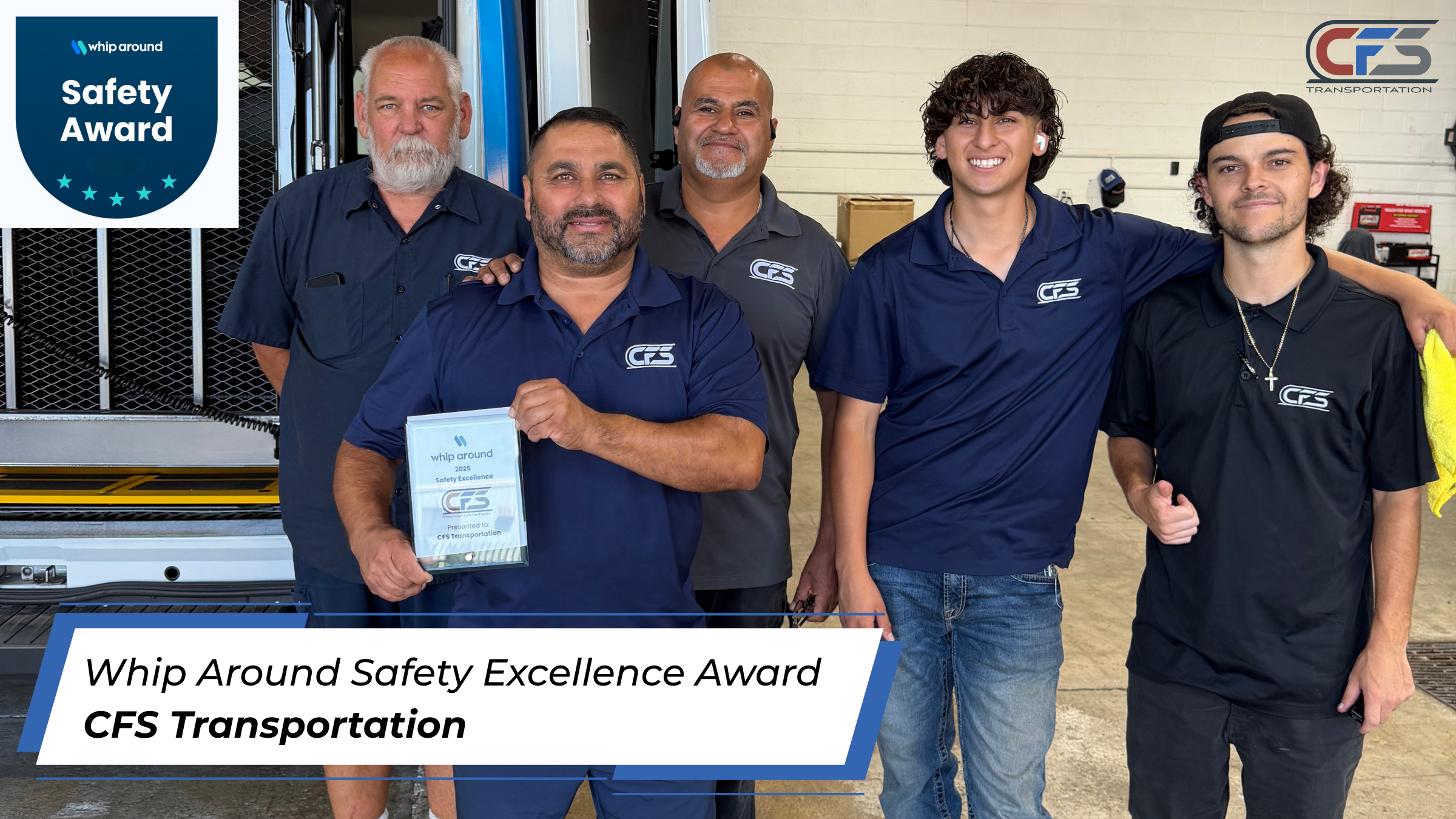
The CFS Transportation team proudly accepts the Whip Around Safety Excellence Award, recognizing our commitment to safety and operational excellence.
What Is a Driver Vehicle Inspection Report (DVIR)?
DVIR stands for Driver Vehicle Inspection Report. It is a record used to document the condition of a commercial vehicle and identify defects or deficiencies found during an inspection.
At CFS Transportation, completing DVIRs is a required part of Department of Transportation compliance. Every vehicle is inspected daily before beginning service, giving drivers an opportunity to identify potential safety or maintenance concerns before the first participant pickup.
When an issue is identified during an inspection, it is marked as a defect and enters CFS Transportation’s maintenance process.
This creates an important connection between what drivers observe in the field and the maintenance processes responsible for keeping vehicles safe and ready for service.
Why DVIRs and DOT Compliance Matter
Vehicle inspections are an important component of commercial transportation safety and regulatory compliance.
But for a transportation provider serving older adults and individuals with mobility or healthcare needs, the value of a DVIR goes beyond completing a compliance requirement.
A consistent inspection process can help identify vehicle concerns before participants are transported. Once a defect is documented, the appropriate teams can evaluate its severity, prioritize the response, and determine whether maintenance is needed before the vehicle returns to service.
At CFS Transportation, technicians review reported defects through Whip Around at the beginning of their shifts and prioritize them based on whether they involve a safety-related component, such as climate control, brakes, lights, or seatbelts.
When a safety-related defect is identified, maintenance immediately communicates the issue to dispatch. The vehicle is then scheduled to be seen by maintenance before it is used for the day.
This creates a clear process:
Inspect → Identify → Prioritize → Communicate → Repair → Return to Service
For PACE transportation, that process helps support both safety and reliability.

How Preventive Maintenance Helps Reduce Service Interruptions
When vehicle maintenance is primarily reactive, a vehicle problem can quickly become a transportation problem.
An unexpected vehicle issue may affect scheduled routes, require dispatch adjustments, create delays, and place additional pressure on transportation operations.
For PACE programs, those disruptions can have consequences beyond the ride itself.
Participants may be traveling to a medical appointment, therapy session, specialist visit, or PACE center. Transportation interruptions can therefore affect schedules and require additional coordination across the organization.
Preventive maintenance helps transportation providers address vehicle needs before they become unexpected service interruptions.
At CFS Transportation, preventive maintenance is scheduled proactively in coordination with dispatch. Maintenance needs are reviewed regularly, and dispatch receives a weekly list of vehicles requiring scheduled preventive maintenance.
There is another benefit to this process: when a vehicle is already in the shop for scheduled preventive maintenance, technicians can address outstanding defects at the same time.
This allows routine maintenance to become an opportunity to resolve additional vehicle needs before they develop into larger problems.
Why Preventive Maintenance Protects PACE Programs
Transportation is closely connected to the larger PACE care model.
A delayed or unavailable vehicle doesn’t only affect transportation operations. It can affect participants, dispatch teams, PACE staff, appointments, and care coordination.
That is why PACE organizations should consider vehicle maintenance and safety when evaluating a transportation partner.
A strong preventive maintenance program can help support:
Safe transportation for participants and drivers
Reliable vehicle availability
Fewer preventable service disruptions
Better coordination across transportation operations
Greater consistency for PACE programs
A more reliable participant experience
The goal is not simply to respond quickly when something goes wrong.
It is to build systems that help identify potential problems before they interfere with service.
How Transportation Providers Should Manage Vehicle Maintenance
Effective vehicle maintenance requires more than completing inspections. It requires a process for turning inspection findings into action.
Drivers are often the first people in a position to identify potential concerns because they interact with their vehicles every day. Maintenance teams need visibility into those findings so defects can be reviewed and prioritized. Dispatch needs to know when a vehicle requires maintenance so vehicle availability can be coordinated with transportation schedules.
These functions should work together.
CFS Transportation’s process connects daily inspections with technicians, maintenance scheduling, and dispatch coordination. Safety-related defects receive immediate attention, while regular preventive maintenance creates additional opportunities to resolve outstanding vehicle needs.
For PACE programs evaluating a transportation provider, important questions to consider include:
Are vehicles inspected consistently?
How are vehicle concerns documented and communicated?
What happens when an inspection identifies a safety-related defect?
How do maintenance and dispatch coordinate around vehicle availability?
How is preventive maintenance scheduled?
What processes are in place to reduce preventable service interruptions?
The answers can reveal a great deal about how seriously a transportation provider approaches safety, reliability, and accountability.
Building a Culture of Safety
Technology can help organize inspections and maintenance, but technology alone does not create a safe transportation operation.
People do.
Drivers need to take vehicle inspections seriously. Maintenance teams need accurate and timely information about vehicle conditions. Dispatch needs visibility into vehicle availability. Leadership needs to establish expectations that make safety part of everyday operations.
When those responsibilities work together, safety becomes more than a compliance requirement.
It becomes part of the organization’s culture.
For PACE transportation providers, that distinction matters. The people being transported may be older adults or individuals with mobility and healthcare needs who depend on their transportation provider to get them safely and reliably to essential services.
Every inspection completed and every maintenance concern addressed contributes to that responsibility.
CFS Transportation Recognized With the Whip Around Safety Excellence Award
CFS Transportation is proud to be recognized with the Whip Around Safety Excellence Award, reflecting the progress and processes behind the company’s approach to vehicle safety and preventive maintenance.
One of the most significant improvements has been the time required to address and close out work orders.
According to Whip Around’s review of CFS Transportation’s performance, the average repair time for work orders has decreased from 20 days in 2023 to an average of 6 days since the beginning of calendar year 2026.
That represents a 70% reduction in average repair time.
Whip Around also recognized the role consistent preventive maintenance has played in addressing vehicle defects. When vehicles come into the shop for scheduled preventive maintenance, CFS technicians use that opportunity to address outstanding defects whenever possible.
The result is a more proactive maintenance process—one designed not only to respond to vehicle issues, but to identify, prioritize, and resolve them efficiently.
While receiving recognition for safety is an honor, the processes and people behind that recognition are what matter most.
For the PACE programs and healthcare organizations that depend on transportation every day, those processes help support the ultimate goal: providing safe, reliable access to care for participants.
Preventive Maintenance Is Part of Reliable PACE Transportation
Preventive vehicle maintenance may happen behind the scenes, but its impact can be felt throughout a PACE organization.
Daily vehicle inspections, proactive maintenance, clear communication, and coordination across transportation teams can help reduce avoidable disruptions while supporting safe and dependable service.
For PACE programs evaluating transportation partners, vehicle maintenance should therefore be considered part of the overall transportation strategy—not simply a fleet management responsibility.
Because safe, reliable PACE transportation begins long before a participant gets into the vehicle.
It begins with making sure that vehicle is ready for the trip.
Looking for a transportation partner that understands the operational needs of PACE programs? Learn more about CFS Transportation and our approach to safe, reliable transportation for healthcare organizations throughout California.
Related Resources
Continue learning about PACE transportation:
The Hidden Costs of Poor Transportation in PACE Programs
Poor transportation affects more than just arrival times. Learn how reliable PACE transportation improves participant satisfaction, care coordination, and operational efficiency for healthcare organizations.
Transportation is one of the most visible services within a PACE program. Every day, participants rely on PACE transportation to attend medical appointments, visit PACE day health centers, receive specialty care, and remain connected to the services that help them live safely in their communities.
When transportation runs smoothly, participants feel at ease. But when it doesn’t, the impact extends far beyond a late pickup.
For PACE programs, unreliable transportation can affect participant satisfaction, care coordination, staff productivity, and overall operational performance. While transportation may represent only one component of the care model, it influences nearly every aspect of the participant experience.
Below are some of the hidden costs organizations should consider when evaluating their transportation program.
Missed or Delayed Medical Appointments
Reliable transportation helps ensure participants arrive safely and on time for medical appointments, therapies, specialist visits, and PACE day center activities.
When transportation delays become frequent, appointments may need to be rescheduled or care plans adjusted. These disruptions can create additional work for staff while making it more difficult for participants to receive timely care.
Consistency is especially important within the PACE model, where transportation supports coordinated care across multiple disciplines.
Increased Administrative Work
Transportation issues rarely affect only the driver.
When a vehicle is delayed or communication breaks down, care coordinators, reception staff, dispatchers, and clinical teams often become involved in resolving the situation.
Instead of focusing on participant care, staff may spend valuable time:
Tracking vehicle locations
Coordinating schedule changes
Calling participants or caregivers
Rescheduling appointments
Managing transportation complaints
A dependable transportation partner helps reduce these operational disruptions by maintaining clear communication and proactive dispatching.
Lower Participant Satisfaction
Transportation is one of the services participants experience most frequently.
Professional drivers, consistent arrival times, courteous service, well maintained vehicles, and effective communication all contribute to the overall perception of a PACE program.
Conversely, repeated delays or inconsistent service can negatively influence participant satisfaction, even when clinical care remains excellent.
Because transportation often serves as the first and last interaction participants have during the day, it plays an important role in shaping their overall experience.
Disruptions to Coordinated Care
PACE is built around an interdisciplinary care model.
Transportation supports that model by ensuring participants arrive on time for medical visits, therapies, social activities, and scheduled evaluations.
When transportation becomes unreliable, it can create scheduling challenges that affect multiple departments and reduce the efficiency of coordinated care.
Reliable transportation helps keep the entire care team operating as planned.
Operational Inefficiencies
Transportation challenges can also affect day-to-day operations behind the scenes.
Poor route planning, inconsistent communication, and reactive scheduling often lead to:
Longer wait times
Inefficient vehicle utilization
Additional overtime
Increased scheduling complexity
Reduced flexibility for same-day changes
Organizations benefit from transportation partners that combine experienced local dispatching with proactive route management to improve operational efficiency.
Reputational Impact
Participant experiences influence how families and community partners view a PACE program.
Reliable transportation demonstrates professionalism, dependability, and a commitment to quality care. Repeated transportation issues, on the other hand, can undermine participant confidence and create unnecessary frustration.
While transportation may not be the only factor families evaluate, it is often one of the most visible.
Choosing the Right Transportation Partner Matters
Transportation is far more than moving participants between locations.
Within the PACE model, it supports access to care, participant independence, operational efficiency, and the overall healthcare experience.
Organizations evaluating transportation providers should look beyond vehicles and pricing. Experience serving PACE participants, local dispatching, trained drivers, clear communication, and a commitment to reliable service all contribute to stronger outcomes for both participants and care teams.
At CFS Transportation, we partner with PACE organizations throughout California to deliver transportation solutions designed specifically for the unique needs of senior healthcare. Our approach combines reliable non-emergency medical transportation, local dispatching, operational support, data analysis, and experienced drivers to help organizations provide safe, timely, and coordinated care every day.
Related Resources
Continue learning about PACE transportation:

Why Ride Share Apps Are Not Enough for Seniors in PACE Programs
Learn why PACE transportation requires more than app-based rideshare services and how reliable NEMT supports older adults, care teams, and healthcare access.

App-based rideshare services have changed the way many people get around. For healthy, independent riders, the convenience of requesting a ride from a phone can be helpful.
But transportation for older adults, individuals with mobility needs, and PACE participants is different.
In the Program of All-Inclusive Care for the Elderly (PACE), transportation is not just a convenience. It is part of the care model. Participants rely on transportation to access day health centers, medical appointments, specialists, therapies, and other services that support their health, independence, and quality of life.
When transportation is unreliable, delayed, or not equipped to meet a participant’s needs, the impact can extend far beyond a missed ride.
The Difference Between Convenience and Care
Traditional rideshare platforms are designed for independent passengers who can safely get to the curb, enter and exit a vehicle without assistance, and manage their own trip.
That does not always reflect the reality of PACE participants.
Many older adults may need support with mobility, wheelchair access, cognitive impairment, physical assistance, or time-sensitive medical appointments. For these individuals, transportation requires more than simply matching a rider with the nearest available driver.
Reliable non-emergency medical transportation requires the right driver, the right vehicle, the right communication process, and the right level of support.
Why Medical Transportation Requires a Different Standard
The term “non-emergency medical transportation” can sometimes be misunderstood. Non-emergency does not mean non-essential.
PACE participants may need transportation for:
Day health center attendance
Primary care appointments
Specialist visits
Dialysis appointments
Rehabilitation or therapy services
Follow-up appointments after hospitalization
Other approved healthcare-related services
A missed pickup, late arrival, or lack of proper assistance can create real disruption for participants and care teams.
For a PACE program, transportation is directly connected to access, coordination, and continuity of care.
Where App-Based Rides Can Fall Short
App-based transportation may work well for general transportation needs, but it is not always designed for the complexity of medical transportation.
Common concerns may include:
Drivers who are not trained in mobility assistance
Limited availability of wheelchair-accessible vehicles
Lack of coordination with healthcare teams
Inconsistent reliability for time-sensitive appointments
Unclear accountability when issues arise
No built-in understanding of participant care needs
For someone who uses a wheelchair, walker, or needs additional assistance, a standard rideshare vehicle may not be appropriate. For someone attending a time-sensitive appointment, a delay can affect the entire care schedule.
In PACE, transportation must support the care plan—not operate separately from it.
Transportation Delays Affect More Than the Participant
Transportation challenges do not only impact the person receiving the ride.
They also affect the care teams responsible for supporting that participant.
Research on transportation challenges among patients receiving in-center hemodialysis found that unreliable transportation can create emotional distress for patients, disrupt clinic workflows, and place additional coordination burdens on staff.
While dialysis is only one example, the lesson applies broadly: transportation is deeply connected to healthcare operations.
When rides are late, missed, or poorly coordinated, the effects can include:
Missed or shortened appointments
Delays in care delivery
Increased stress for participants
More follow-up work for staff
Disruption to daily care schedules
Reduced confidence in the transportation process
For PACE Programs, a reliable transportation partner helps reduce these disruptions and supports smoother coordination across the care team.
Why Transportation Should Be Treated as Part of the Care Team
PACE is built around coordinated, interdisciplinary care.
Transportation plays a direct role in that coordination. Drivers, dispatchers, and transportation teams are often among the first and last touchpoints in a participant’s day.
That makes communication, professionalism, and consistency essential.
A strong transportation partner should understand that every ride supports a larger care plan. This means coordinating with PACE teams, communicating proactively, and recognizing that participant experience matters from pickup to drop-off.
Transportation should not feel disconnected from care. It should operate as an extension of the care team.
What Reliable PACE Transportation Should Include
PACE programs need transportation partners that are built for the realities of serving older adults and individuals with healthcare needs.
Reliable PACE transportation should include:
Trained and professional drivers
Wheelchair-accessible transportation
Safe vehicle entry, exit, and securement processes
Proactive communication with care teams
Reliable recurring schedules
Same-day transportation support when needed
Local operational knowledge
Clear accountability and reporting
A participant-centered approach
The goal is not simply to complete a ride. The goal is to help participants access care safely, consistently, and with dignity.
What Makes CFS Transportation Different
CFS Transportation is a PACE-exclusive non-emergency medical transportation provider serving programs throughout San Diego County.
Unlike general transportation providers or app-based platforms, CFS is built around the needs of PACE programs and their participants.
Local San Diego Drivers
CFS uses local San Diego-based drivers who understand the region, traffic patterns, facility locations, and the importance of reliable timing.
Wheelchair-Compliant Transportation
CFS provides wheelchair-compliant transportation designed to support participants with varying mobility needs.
Proactive Communication
CFS prioritizes overcommunication so care teams are not left wondering about participant status, delays, or schedule changes.
Industry Standards and Protocols
CFS complies with industry standards and protocols to help ensure transportation is handled with professionalism, consistency, and care.
Built for PACE Programs
With more than 22 years of experience in the PACE industry, CFS understands that transportation is not separate from care. It is part of the participant experience and an important part of daily operations.
The Right Transportation Partner Protects Access to Care
For PACE programs, transportation decisions should not be based only on convenience.
The right transportation partner can help improve reliability, reduce disruptions, support staff, and ensure participants remain connected to the care they need.
App-based rides may be convenient for some situations, but PACE transportation requires a higher level of coordination, communication, accessibility, and accountability.
For older adults and participants with medical or mobility needs, transportation is not just about getting somewhere.
It is about getting there safely, consistently, and with the right support.
Partner with CFS Transportation
CFS Transportation works with PACE programs throughout San Diego County to provide reliable, wheelchair-compliant non-emergency medical transportation.
If your organization is evaluating transportation partners or looking to improve reliability, CFS Transportation is available for an initial consultation to discuss your program’s needs.
Learn more about CFS Transportation and its role in supporting PACE programs.
Sources
This article was informed by the following sources:
LTC News: “App-Based Medical Rides Put Older Adults at Risk: What You Need to Know”
Bonilla-Herrera, B., Saini, N., Corina, I., Dickerson, B., Grijalva, M. E., Pulido, D. J., Roshanravan, B., Fenton, J. J., Gottlieb, L. M., & Razon, N. “It’s Part of Dialysis”: Lived Experiences of Transportation Challenges Among Patients and Staff in In-Center Hemodialysis. Journal of Nephrology Social Work, 2026.
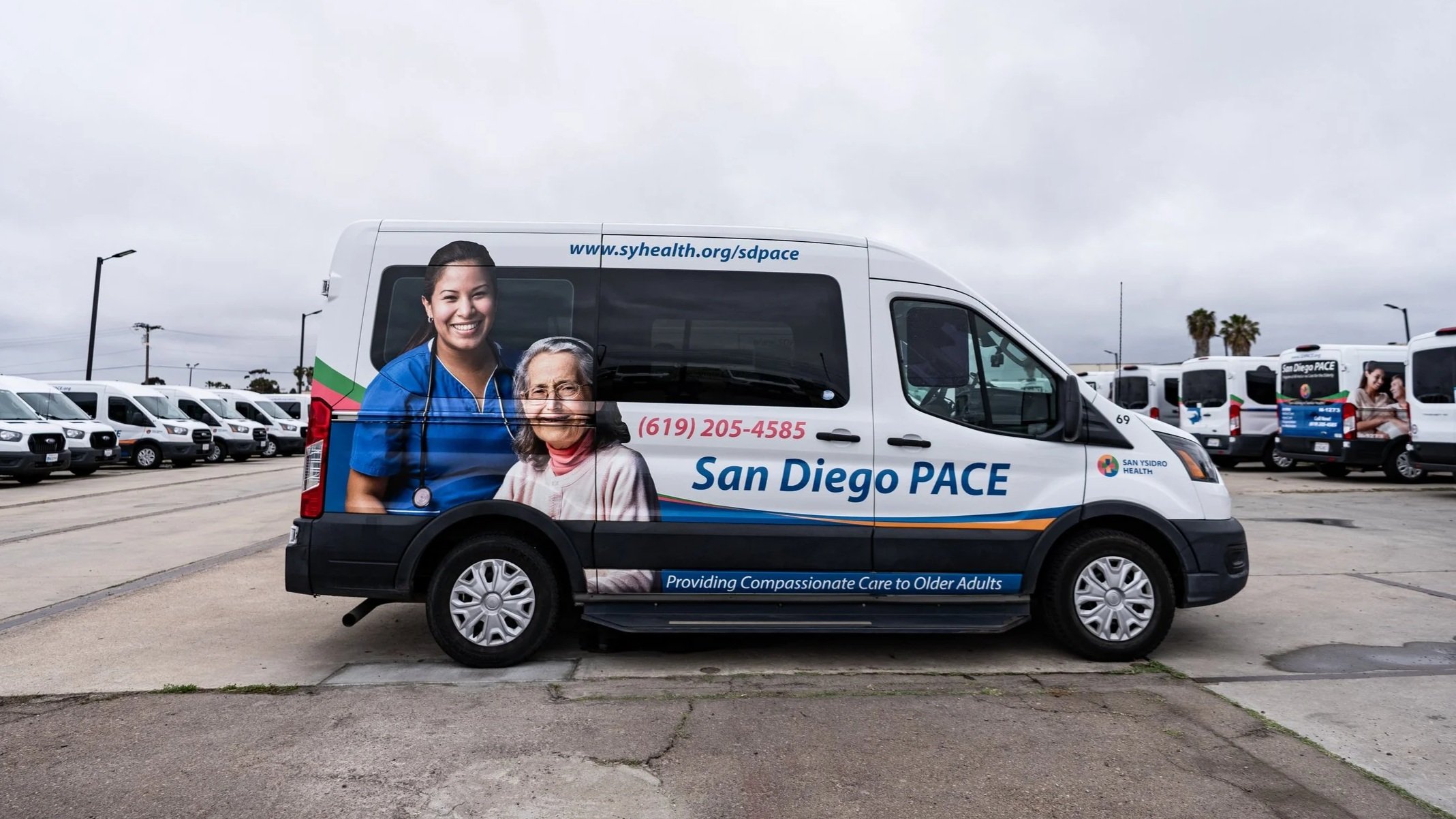
Frequently Asked Questions About PACE Transportation in San Diego
Transportation is one of the most important benefits provided through the Program of All-Inclusive Care for the Elderly (PACE), yet it’s often one of the least understood.
PACE transportation services help participants access medical appointments, day health centers, specialists, and other essential healthcare services. For PACE organizations throughout San Diego County, reliable transportation is a critical part of delivering coordinated care and helping participants remain independent in their communities.
Below, CFS Transportation answers some of the most common questions about PACE transportation services and what makes a transportation partner successful within the PACE model.
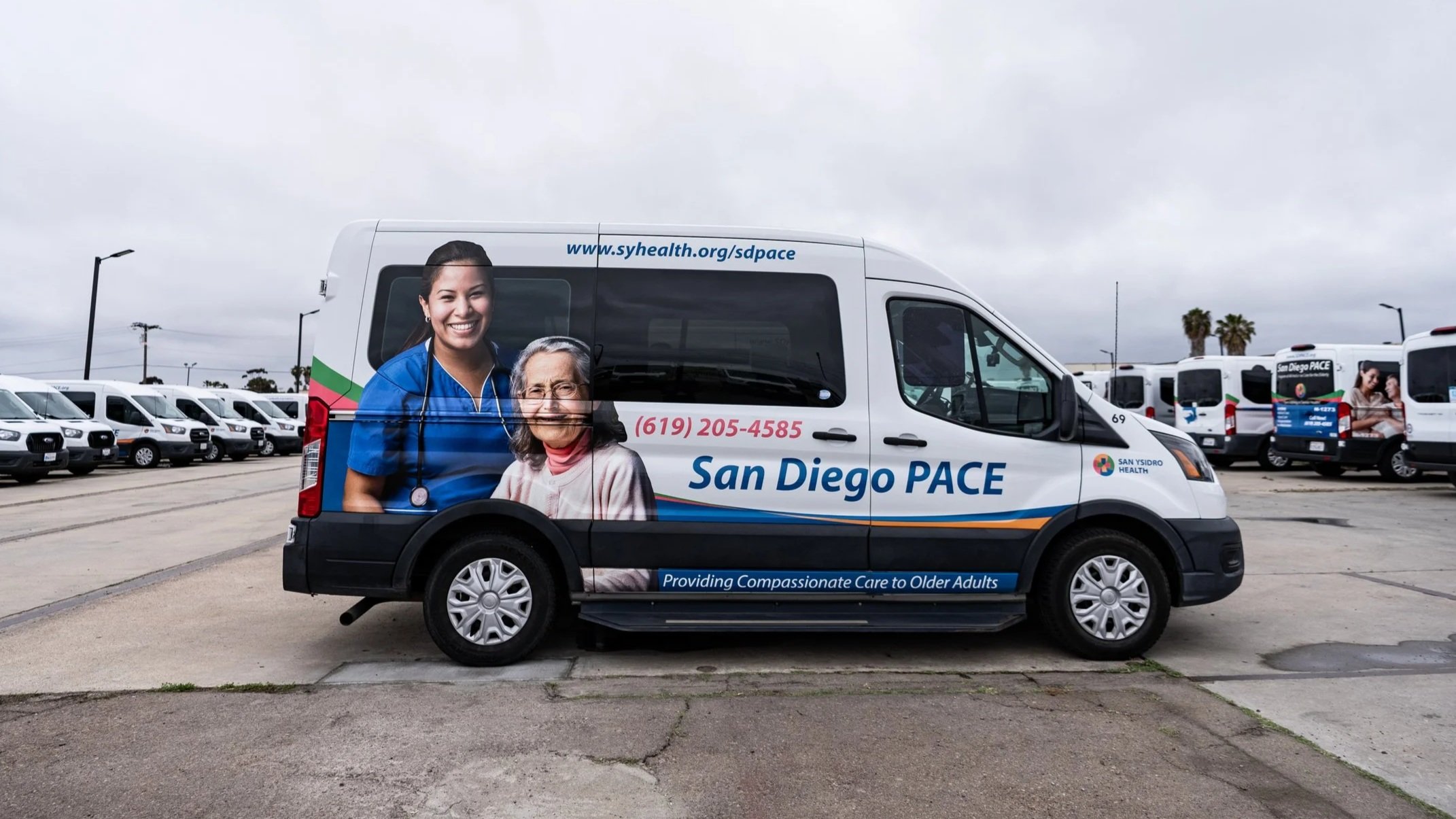
PACE transportation services in San Diego by CFS Transportation
What Are PACE Transportation Services?
PACE transportation services are a form of non-emergency medical transportation (NEMT) provided as part of a participant’s overall care plan.
These services help participants travel safely to and from:
PACE day health centers
Medical appointments
Specialty appointments
Therapy appointments
Rehabilitation services
Other approved healthcare-related services
Transportation is considered an essential PACE benefit because it helps ensure participants can consistently access the care they need while remaining independent in their communities.
What Transportation Options Are Available Through PACE Programs?
PACE transportation services are designed to support a variety of participant needs.
Depending on the participant’s care plan, transportation may include:
Transportation to and from day health centers
Transportation to primary care appointments
Transportation to specialty visits
Wheelchair-accessible transportation
Recurring transportation schedules
Same-day transportation requests when needed
Transportation to therapy and rehabilitation services
The specific transportation services provided are determined by the participant’s care team and overall care plan.
Who Does CFS Transportation Serve?
CFS Transportation exclusively serves PACE programs.
By focusing specifically on PACE transportation services, CFS understands the unique operational requirements, participant needs, and communication standards involved in coordinated care.
CFS Transportation supports PACE organizations throughout San Diego County and brings more than 22 years of experience serving the PACE industry.
For organizations seeking a transportation provider that understands the PACE model, CFS offers specialized expertise that general transportation providers often cannot match.
Learn more about CFS Transportation and its role in supporting PACE programs.
Can PACE Participants Use Transportation for Medical Appointments?
Yes.
PACE transportation services are designed to help participants access medical appointments and specialists that are part of their approved care plan.
Transportation coordinators work closely with care teams to help ensure participants arrive safely and on time for appointments, treatments, and other healthcare-related services.
Reliable transportation to medical appointments helps reduce missed visits and supports better care coordination across the entire PACE program.
How Quickly Can Transportation Be Scheduled?
Transportation needs vary from participant to participant.
Many rides are scheduled on a recurring basis to support routine attendance at day health centers, medical appointments, and ongoing care services.
Depending on operational needs and availability, transportation providers may also accommodate same-day transportation requests.
The ability to respond quickly while maintaining reliability is one of the key characteristics of an effective PACE transportation provider.
Does PACE Transportation Serve All of San Diego County?
CFS Transportation provides PACE transportation services throughout San Diego County.
Coverage areas may vary based on the PACE organization being served, but transportation services are designed to help participants access healthcare services across the region while maintaining reliable and coordinated transportation support.
Local knowledge is an important advantage when navigating traffic patterns, appointment schedules, and participant needs throughout San Diego County.
What Makes a Transportation Provider Reliable in PACE?
Reliability in PACE transportation goes far beyond simply providing a ride.
Reliable PACE transportation services help reduce missed appointments, improve care coordination, and ensure participants can consistently access healthcare services.
A dependable transportation provider should offer:
Consistent on-time performance
Effective communication
Local operational expertise
Flexible scheduling capabilities
Participant-centered service
Reporting and operational visibility
Strong coordination with care teams
Because transportation directly impacts healthcare access, reliability plays a critical role in participant outcomes and overall program success.
How Does Transportation Impact Patient Care?
Transportation is often one of the first steps in a participant’s care journey.
When transportation services operate smoothly:
Participants arrive on time for appointments
Day center schedules remain consistent
Care teams can operate more efficiently
Participants experience less stress and uncertainty
Healthcare services are delivered more effectively
When transportation issues occur, delays can create disruptions that affect participants, care teams, and overall care outcomes.
For this reason, transportation should be viewed as an extension of the Interdisciplinary Team (IDT), not simply a logistics function.
Why Is Transportation Considered a Core PACE Benefit?
Transportation is considered a core PACE benefit because participants must be able to access the services included in their care plan.
PACE programs are designed to provide comprehensive, coordinated care that addresses the participant’s overall health and well-being. Transportation helps participants attend day health centers, medical appointments, specialty appointments, rehabilitation services, and other approved healthcare services.
Without reliable transportation, participants may face barriers that affect their ability to receive consistent, coordinated care.
Are Wheelchair Transportation Services Available?
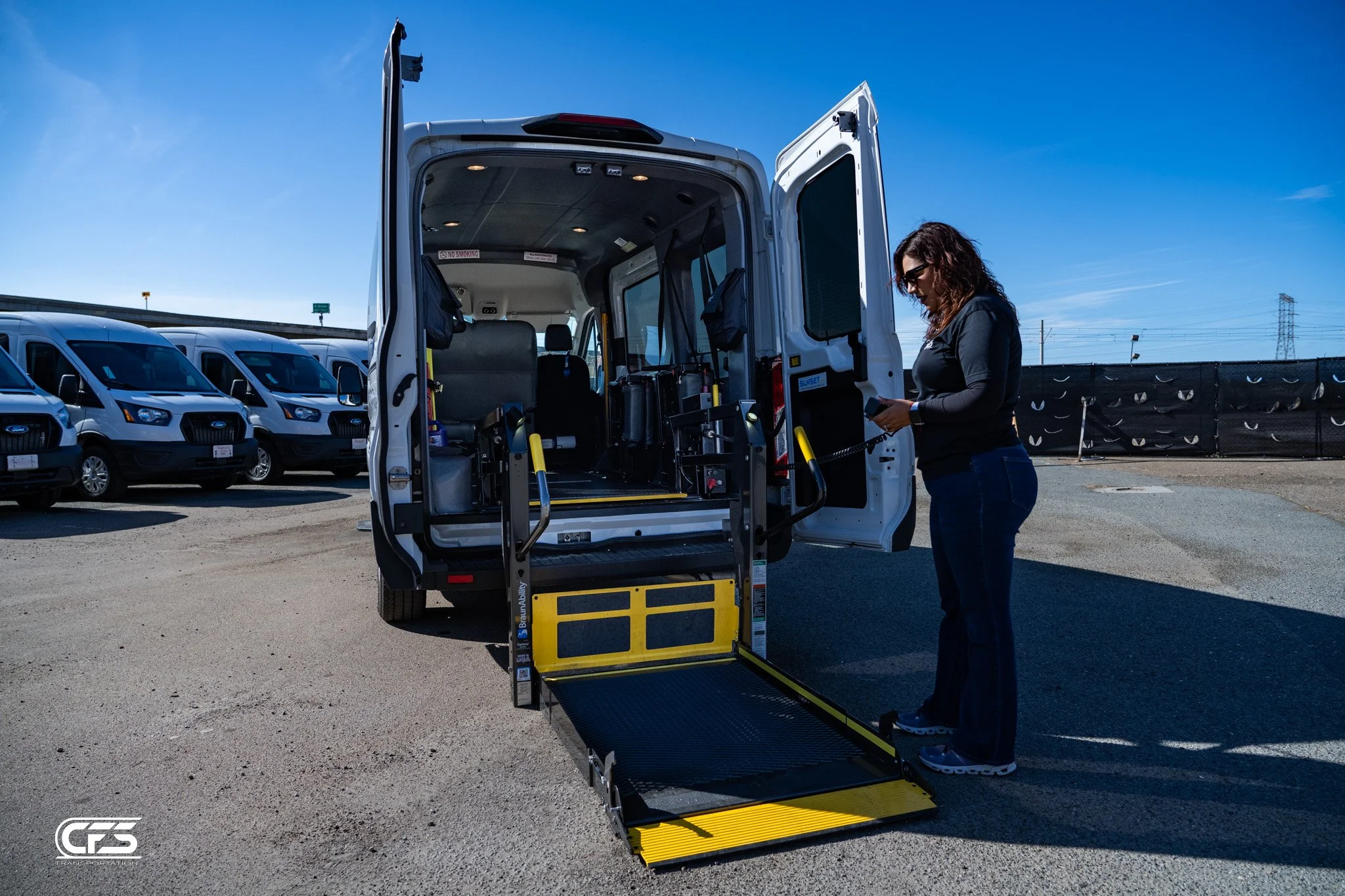
CFS Transportation operates wheelchair-accessible vehicles
Yes.
CFS Transportation operates wheelchair-accessible vehicles to accommodate participants with varying mobility needs.
Accessibility is a critical component of delivering safe, dependable, and participant-centered transportation services within the PACE model.
Wheelchair transportation services help ensure all participants can access the healthcare services they need regardless of mobility limitations.
Why Do PACE Programs Need NEMT Transportation Partners Instead of Using Ride Share Apps like Uber and Lyft?
PACE transportation requires more than moving people from one location to another.
Transportation partners must coordinate with care teams, support participant needs, adapt to changing schedules, maintain communication, and understand the operational demands of coordinated care.
Providers that understand the PACE model are often better equipped to support these responsibilities while helping programs maintain continuity of care and participant satisfaction.
What Makes CFS Transportation Different?
PACE programs need more than a transportation vendor—they need a transportation partner that understands the responsibility tied to every ride.
CFS Transportation is built specifically around the needs of PACE organizations.
Local San Diego-Based Drivers
Unlike providers that rely on outsourced or out-of-area vendors, CFS operates with local drivers who understand San Diego County. This leads to more efficient routing, better timing, and stronger accountability.
Industry Compliance and Standards
CFS adheres to established industry standards and transportation protocols, ensuring every ride is handled with professionalism, consistency, and safety.
Proactive Communication
CFS believes in overcommunication. Updates are shared proactively so PACE teams are never left wondering about participant status, schedule changes, or transportation delays.
PACE-Exclusive Experience
As Southern California’s largest PACE-exclusive non-emergency medical transportation provider, CFS understands the unique operational requirements, communication standards, and participant needs that come with supporting PACE programs.
Built for Reliability
Every aspect of operations—from scheduling to dispatch—is designed to support on-time performance and reduce disruptions to participant care.
How Can PACE Programs Partner with CFS Transportation?
CFS Transportation works closely with PACE organizations to understand their specific operational needs and participant requirements.
Partnerships typically begin with an initial consultation to:
Evaluate transportation needs and participant volume
Understand scheduling requirements
Align communication and coordination processes
Review operational goals and service expectations
From there, CFS integrates into the program’s workflow, operating as a reliable extension of the care team.
Conclusion
Reliable PACE transportation services help participants stay connected to healthcare, maintain independence, and access the care they need throughout San Diego County.
Whether supporting transportation to day health centers, specialty appointments, therapy services, or recurring medical visits, transportation providers play an important role in the success of every PACE program.
Choosing the right transportation partner can improve operational efficiency, participant experience, and overall care coordination.
If your organization is evaluating transportation solutions for a PACE program, CFS Transportation is available to discuss your needs and explore partnership opportunities.

How PACE Programs Can Choose the Right Transportation Partner in San Diego
Transportation is one of the most visible—and most critical—components of a successful PACE program.
When it works well, participants arrive on time, care teams stay on schedule, and the day health center operates smoothly. When it doesn’t, the impact goes far beyond logistics. Delays can disrupt care plans, create stress for participants, and add pressure on already stretched teams.
For PACE organizations in San Diego, choosing the right transportation partner is essential to delivering consistent, high-quality care—especially when working with a provider that understands the local landscape.

PACE transportation services in San Diego by CFS Transportation
Why Transportation Matters in PACE
PACE programs are designed to provide comprehensive, coordinated care that helps older adults remain independent in their communities.
Transportation plays a central role in that model, particularly when supported by reliable non-emergency medical transportation services.
It ensures participants can reliably access:
The day health center
Medical appointments and specialists
Additional services that support their overall care plan
It’s not just about getting from point A to point B. Transportation is part of the broader interdisciplinary approach to care.
Focusing on a single service—like transportation alone—does not fully support a participant’s needs. That’s why transportation partners must operate as an extension of the Interdisciplinary Team (IDT), contributing to a system designed to support the whole person.
What to Look for in a Transportation Partner
Not all transportation providers are built to support the complexity of PACE.
Here are key factors PACE programs should consider when evaluating a partner:
1. Reliability and On-Time Performance
Consistent, predictable pickups are critical. Delays can affect care schedules, staffing, and participant experience.
2. Local Expertise
Providers with local drivers and dispatch teams understand the nuances of San Diego—traffic patterns, facility locations, and regional logistics—which directly impacts efficiency.
3. Strong Communication
PACE programs rely on real-time coordination. A transportation partner should proactively communicate updates so staff are never left guessing.
4. Flexibility
Transportation needs are dynamic. The right partner should support both recurring schedules and same-day ride requests when needed.
5. Participant-Centered Service
Drivers are often one of the first and last touchpoints in a participant’s day. Professionalism, care, and consistency matter.
6. Reporting and Analytics
Reporting is essential for PACE Programs. They require a system that supports daily coordination, compliance needs, and continuous improvement across the entire program.
Who CFS Transportation Serves
CFS Transportation is focused on supporting PACE programs throughout San Diego County.
As a transportation partner within the PACE model, CFS works alongside care teams to ensure participants can consistently access the services they depend on—whether that’s attending the day health center, visiting specialists, or participating in other essential activities.
Learn more about CFS Transportation and its role in supporting PACE programs.
What Services CFS Transportation Offers
CFS Transportation provides non-emergency medical transportation designed specifically for the needs of PACE participants.
Services include:
Transportation to and from day health centers
Rides to medical appointments and specialists
Wheelchair-accessible transportation
Recurring ride scheduling
Same-day transportation when needed
All services are delivered across San Diego County, ensuring consistent coverage for PACE programs and their participants.
What Makes CFS Transportation Different
PACE programs need more than a transportation vendor—they need a partner that understands the responsibility tied to every ride.
CFS Transportation is built around the operational details that make reliability possible:
Local, San Diego-Based Drivers
Unlike providers that rely on outsourced or out-of-area vendors, CFS operates with local drivers who understand the region. This leads to more efficient routing, better timing, and stronger accountability.
Industry Compliance and Standards
CFS adheres to established industry protocols and transportation standards, ensuring every ride is handled with professionalism and consistency.
Proactive, Clear Communication
CFS prioritizes overcommunication. Updates are shared proactively so PACE teams are never left wondering about participant status, delays, or changes.
Built for Reliability
Every aspect of operations—from scheduling to dispatch—is designed to support on-time performance and reduce disruptions to care.
How PACE Programs Can Partner with CFS Transportation
CFS Transportation works closely with PACE organizations to understand their specific operational needs and participant requirements.
Partnerships typically begin with an initial consultation to:
Evaluate current transportation needs and volume
Understand scheduling requirements
Align on communication and coordination processes
From there, CFS integrates into the program’s workflow, operating as a reliable extension of the care team.
Transportation is more than a logistical function within PACE.
It’s a critical part of delivering consistent, coordinated care.
The right transportation partner helps ensure participants stay connected to the services they need, while supporting the broader goals of the care team.
For PACE programs in San Diego, choosing a partner that prioritizes reliability, communication, and local expertise can make a measurable difference in both operations and participant experience.
If your organization is evaluating transportation partners or looking to improve reliability, CFS Transportation is available for an initial consultation to discuss your program’s needs.